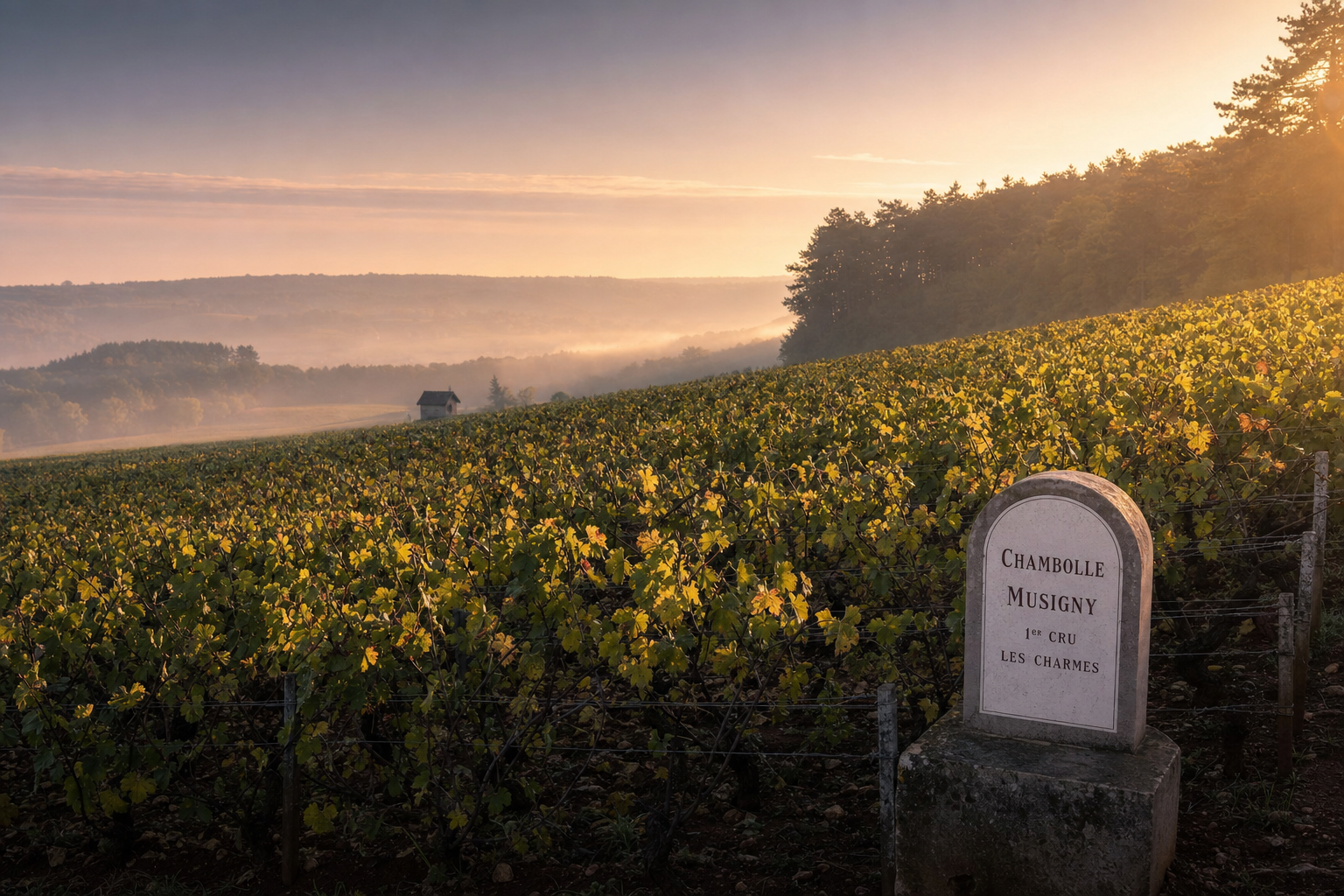
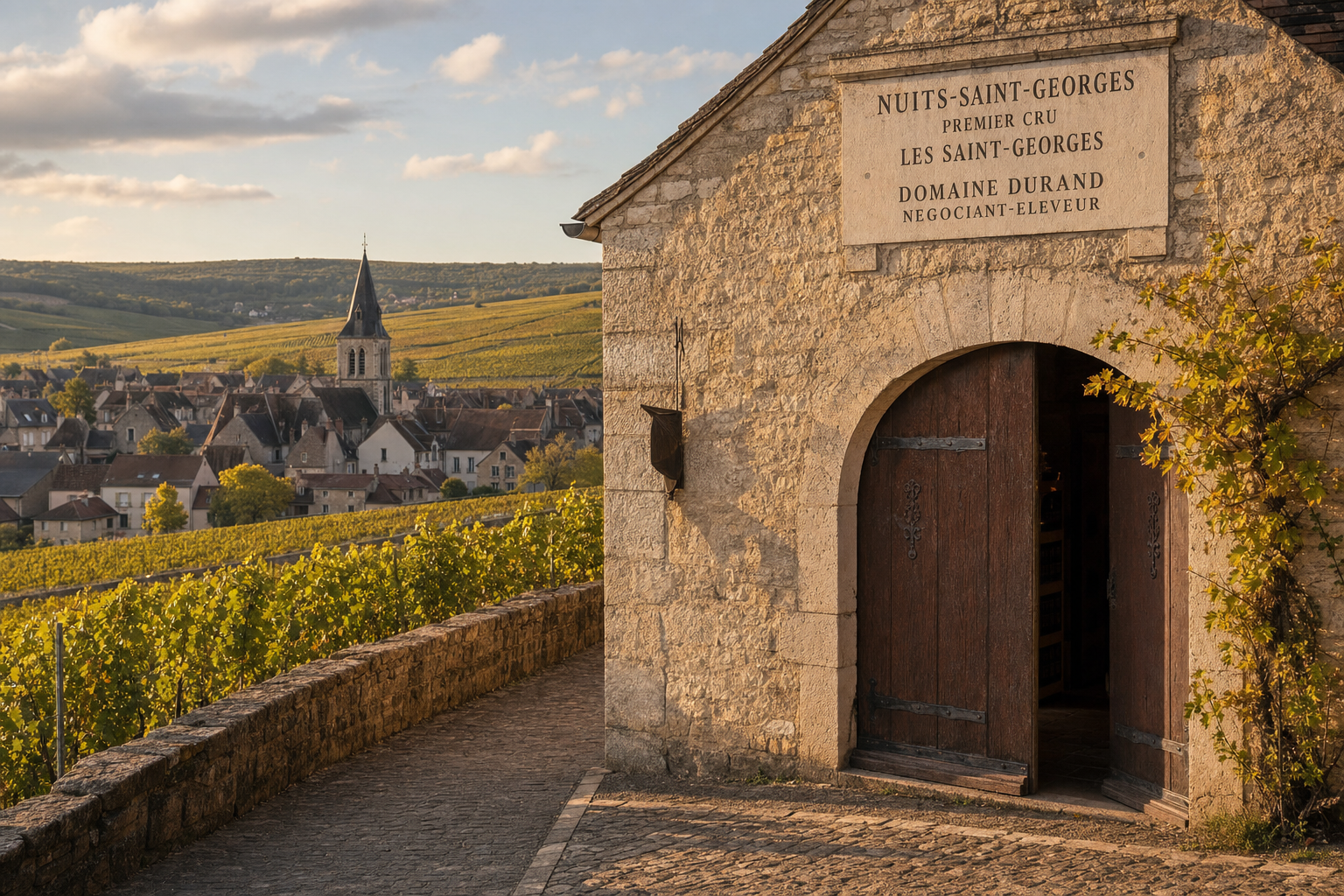
Vineyard rows at dusk in the Côte de Nuits, Burgundy

Burgundy · France · Pinot Noir

La Côte de Nuits

Twenty kilometers. Twenty-four Grand Crus.
The greatest Pinot Noir on Earth.

A village-by-village guide to the appellations, soils, tasting differences, legendary estates, and under-the-radar producers of Burgundy's golden slope.

Explore the Region
~20km Length of the Slope
24 Grand Cru Appellations
95% Pinot Noir Planted
10 Villages Covered

The Lay of the Land

Village by Village

Running south from Marsannay on the outskirts of Dijon to the town of Nuits-Saint-Georges, the Côte de Nuits is a narrow corridor of east-facing limestone escarpment. Each village has a distinct geological and stylistic identity — shaped by subtle shifts in rock type, slope angle, and altitude accumulated over 150 million years of geological history.

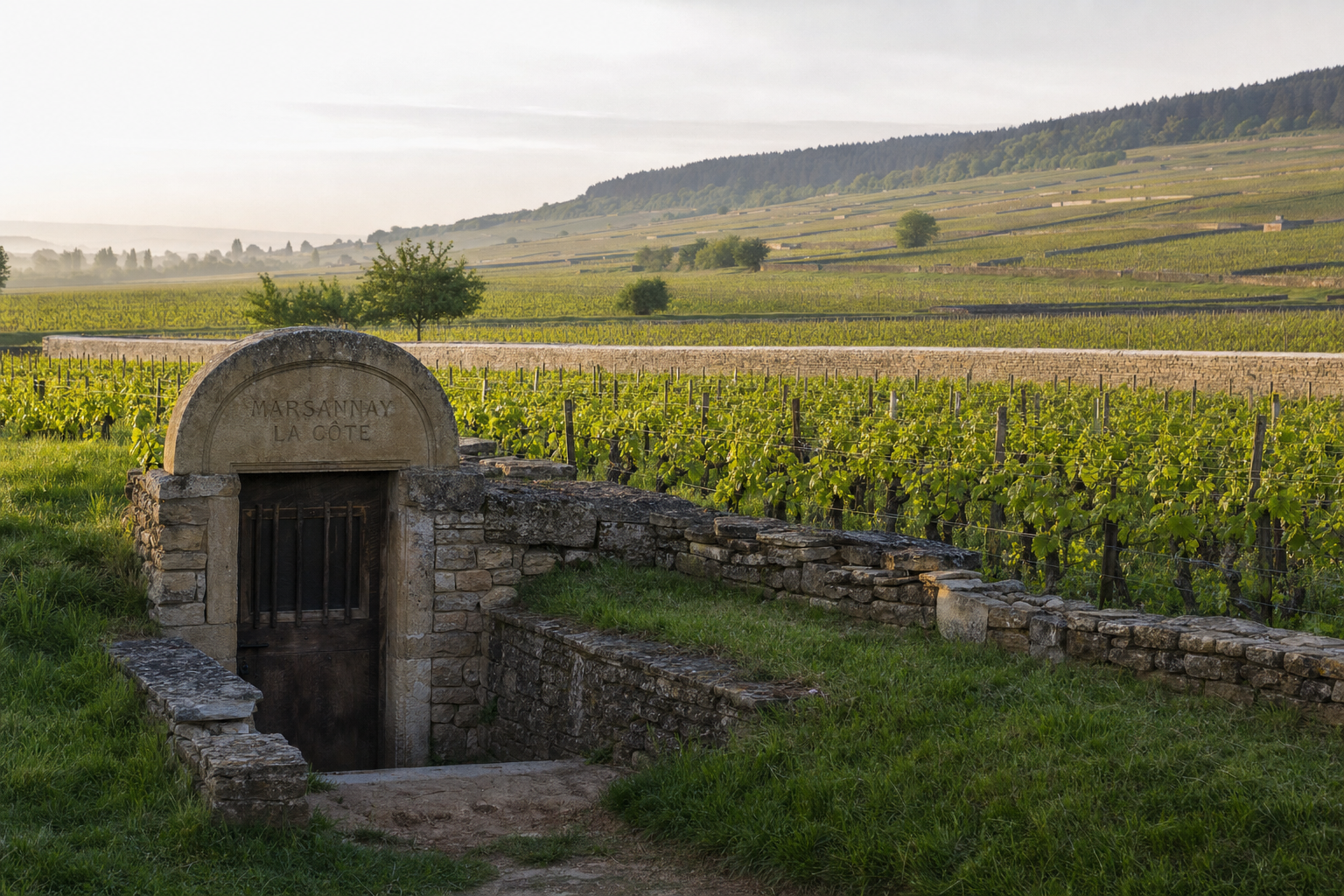
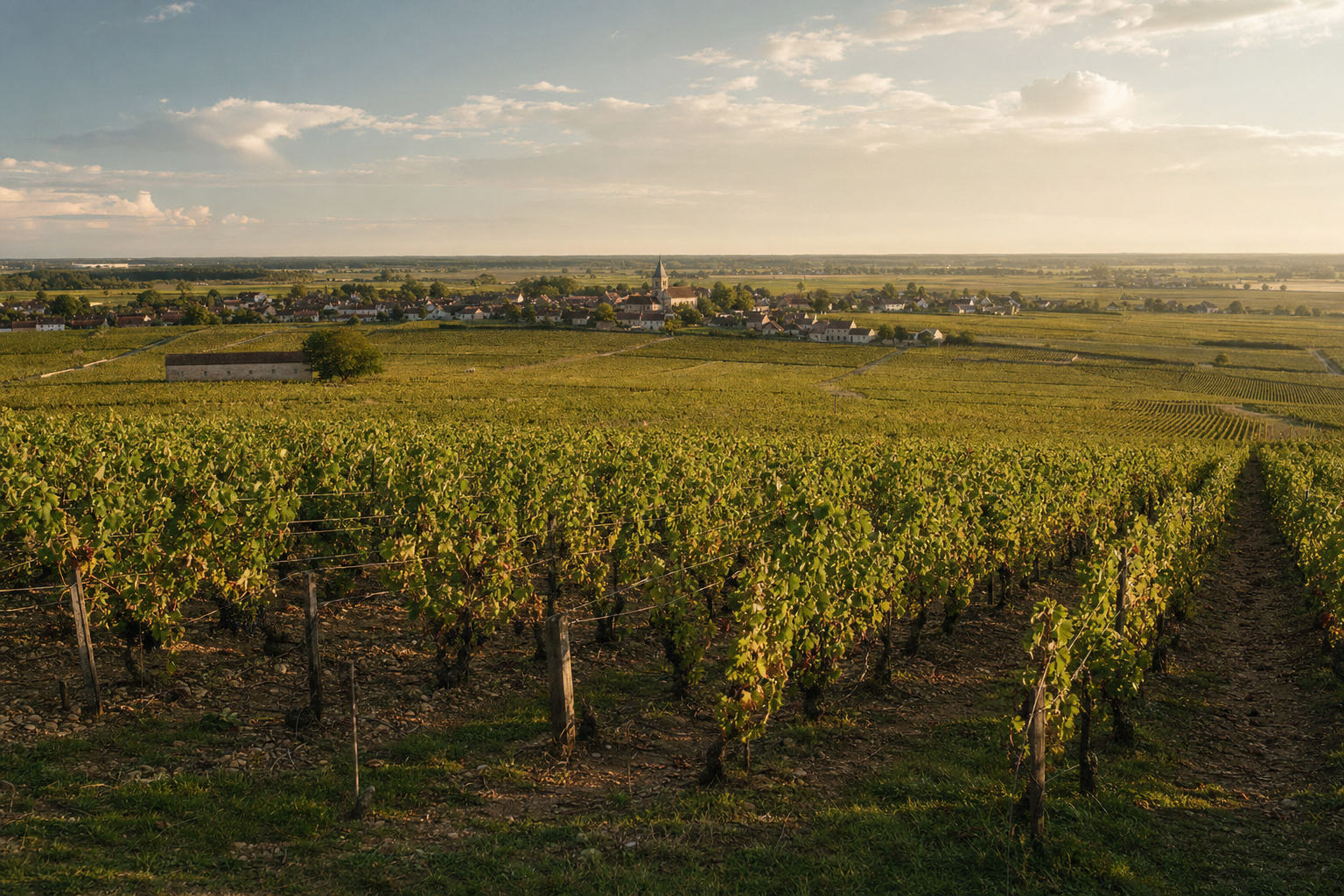
Marsannay vineyards in the northern Côte de Nuits
North

Village AOC · No Grand Crus

Marsannay

The northernmost village of the Côte de Nuits, and the only appellation in the entire region permitted to produce rosé. Fresh, bright, and approachable — an ideal entry point to Côte de Nuits Pinot Noir without the price premium.

Limestone Scree Fresh · Floral · Red Fruit
Explore Marsannay →
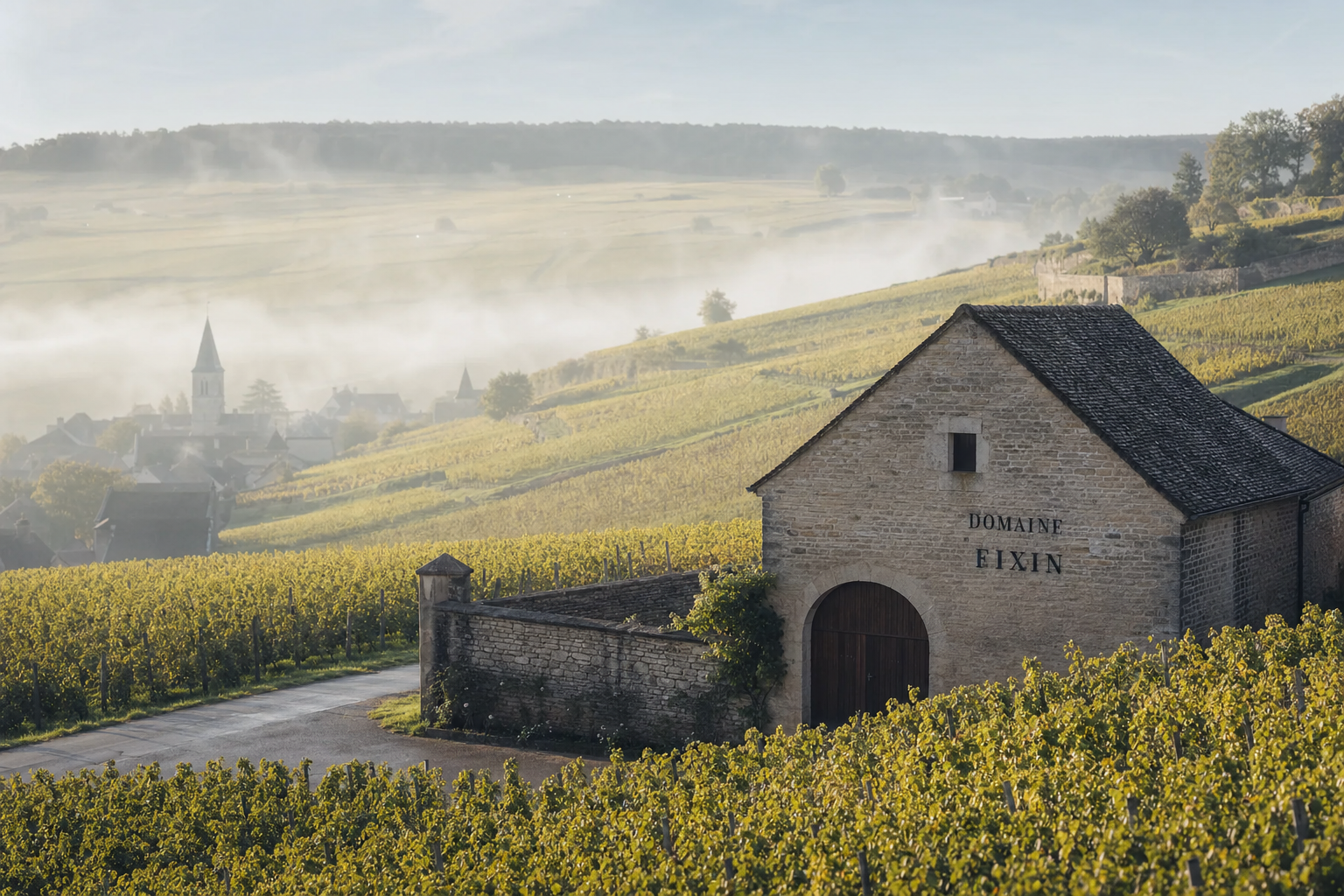
Fixin vineyards with limestone exposure
North

Village AOC + 6 Premier Crus

Fixin

Often overlooked, Fixin produces structured, serious wines from Bajocian limestone that show a distinctive earthy backbone. Home to Clos Napoléon — a monopole of historical significance and exceptional quality.

Bajocian Limestone Earthy · Structured · Dark Fruit
Explore Fixin →
Clos de la Roche vineyard in Morey-Saint-Denis
5 Grand Crus

Village AOC + 5 Grand Crus + 20 Premier Crus

Morey-Saint-Denis

The often-underestimated village between two giants. Morey bridges the power of Gevrey with the perfume of Chambolle — offering some of Burgundy's best value at Grand Cru level. Clos de la Roche, Clos de Tart, and Clos des Lambrays are among the most compelling wines of the slope.

Thin Limestone + Marl Savory · Complex · Balanced
Explore Morey-Saint-Denis →
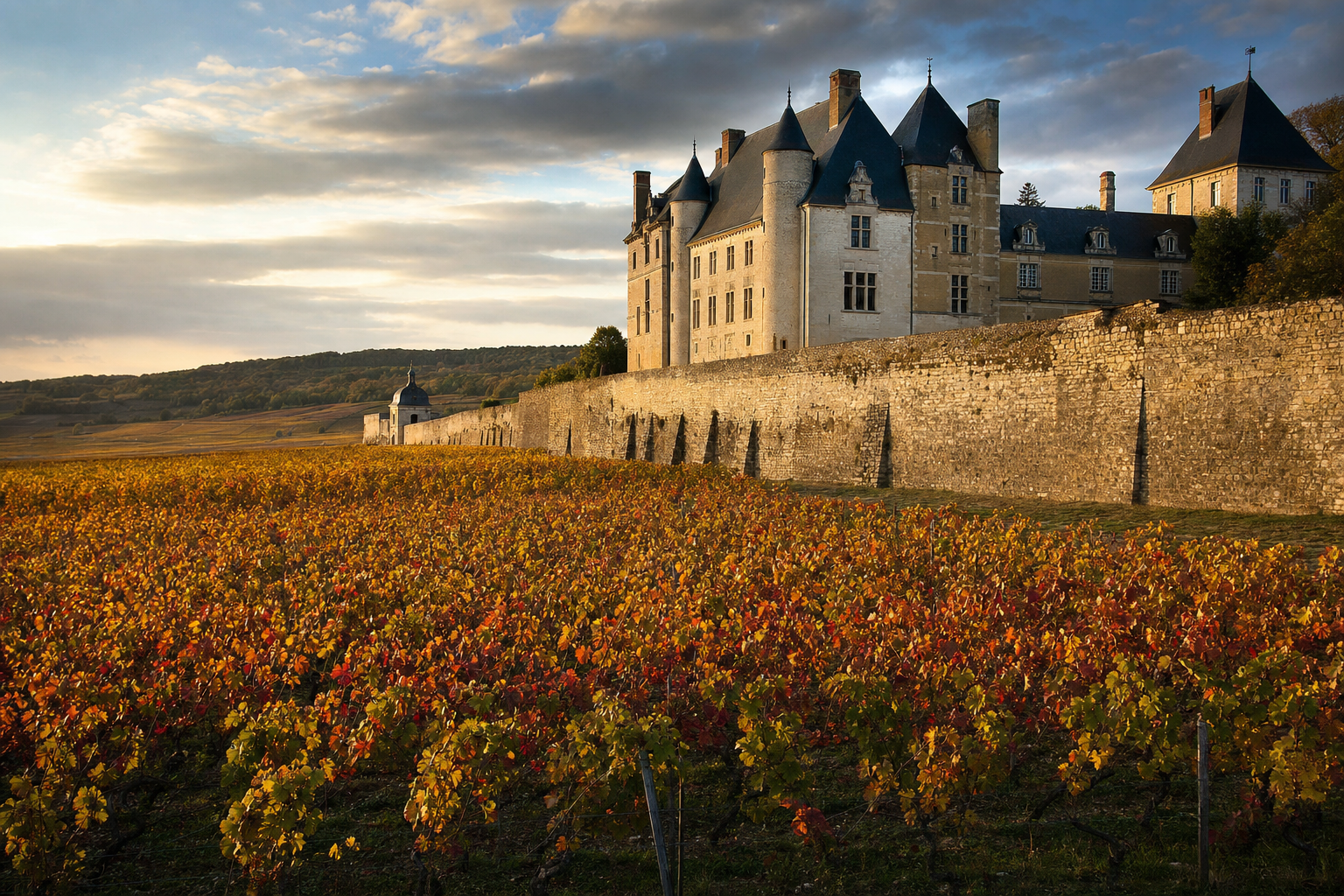
The walled Clos de Vougeot with its historic château
1 Grand Cru

Village AOC + 1 Grand Cru (50.59 ha)

Vougeot

Clos de Vougeot is a 50-hectare walled Grand Cru with over 80 different owners — the most fragmented in Burgundy. Quality varies dramatically by plot location: the upper slope rivals Chambolle and Vosne in elegance, while the lower, clay-heavy sections produce more rustic wines. Producer selection is critical.

Bajocian Limestone + Alluvial Clay Variable · Dark Chocolate · Dense
Explore Vougeot →
Grands Echézeaux vineyard in Flagey-Echézeaux
2 Grand Crus

Village AOC (wines sold as Vosne-Romanée) + 2 Grand Crus

Flagey-Échézeaux

Home to Échézeaux and Grands-Échézeaux, both offering extraordinary complexity at (relatively) accessible prices compared to the Vosne Grand Crus next door. Grands-Échézeaux in particular rivals Romanée-Conti in structure with silky tannins and exotic spice — and is one of Burgundy's most underrated Grand Crus.

Bathonian Limestone + Gentle Slope Spice · Silk · Complex · Layered
Explore Flagey-Échézeaux →
Premier Cru Les Saint-Georges vineyard in Nuits-Saint-Georges
No Grand Crus

Village AOC + 41 Premier Crus · Capital of the Region

Nuits-Saint-Georges

Burgundy's working wine town — home to the greatest density of négociant houses on the slope. Despite having no Grand Cru, its Premier Crus (especially Les Saint-Georges, Les Vaucrains, and Les Cailles in the south; Aux Boudots and Aux Murgers in the north) are among Burgundy's finest wines. Full-bodied, earthy, mineral, built to age.

Stony + Deep Iron-Rich Clay Powerful · Earthy · Mineral · Age-Worthy
Explore Nuits-Saint-Georges →

Geology & Terroir

The Soils That Speak

The Côte de Nuits sits on a Jurassic limestone escarpment formed 150 million years ago. The slope's remarkable wine diversity results from subtle geological variations — different limestone types, clay content, iron concentration, and soil depth — occurring within distances of a few hundred meters.

Comblanchien Limestone

Gevrey-Chambertin · Fixin

The structural titan of the region — hard, fine-grained, compact rock that resists erosion and provides excellent drainage. Creates wines of remarkable verticality, power, and dark fruit concentration. The iron-rich clay atop this limestone imparts the "gamy," truffle, and meaty nuances of great Gevrey.

Wines it creates: Dark cherry, iron, truffle, tobacco, forest floor. Built for decades of aging.

Oxfordian Marl

Chambolle-Musigny · Le Musigny

Pale, light, active-lime soils with high chalk content and small limestone pebbles (lavières). This soil type enables the vine to produce extremely fine, aromatic Pinot Noir. The resulting wines have an ethereal silkiness and high-toned floral aromatics — violet, rose, red cherry — that make Chambolle the most perfumed village on the slope.

Wines it creates: Violet, rose petal, red cherry, silk. Weightless texture, extraordinary persistence.

Premeaux Limestone

Vosne-Romanée · Grand Cru Belt

Fractured and porous — Premeaux limestone allows vine roots to penetrate deep into the bedrock in search of moisture. This deep root system, combined with Calhoun marls, is the geological secret behind the extraordinary complexity of Vosne-Romanée's Grand Crus. The perfect drainage and mineral uptake in Richebourg creates its signature explosive floral bouquet.

Wines it creates: Spice, dried rose, sous-bois, infinite complexity. DRC territory.

Bajocian Limestone

Fixin · Clos de Vougeot (upper) · Gevrey Premier Crus

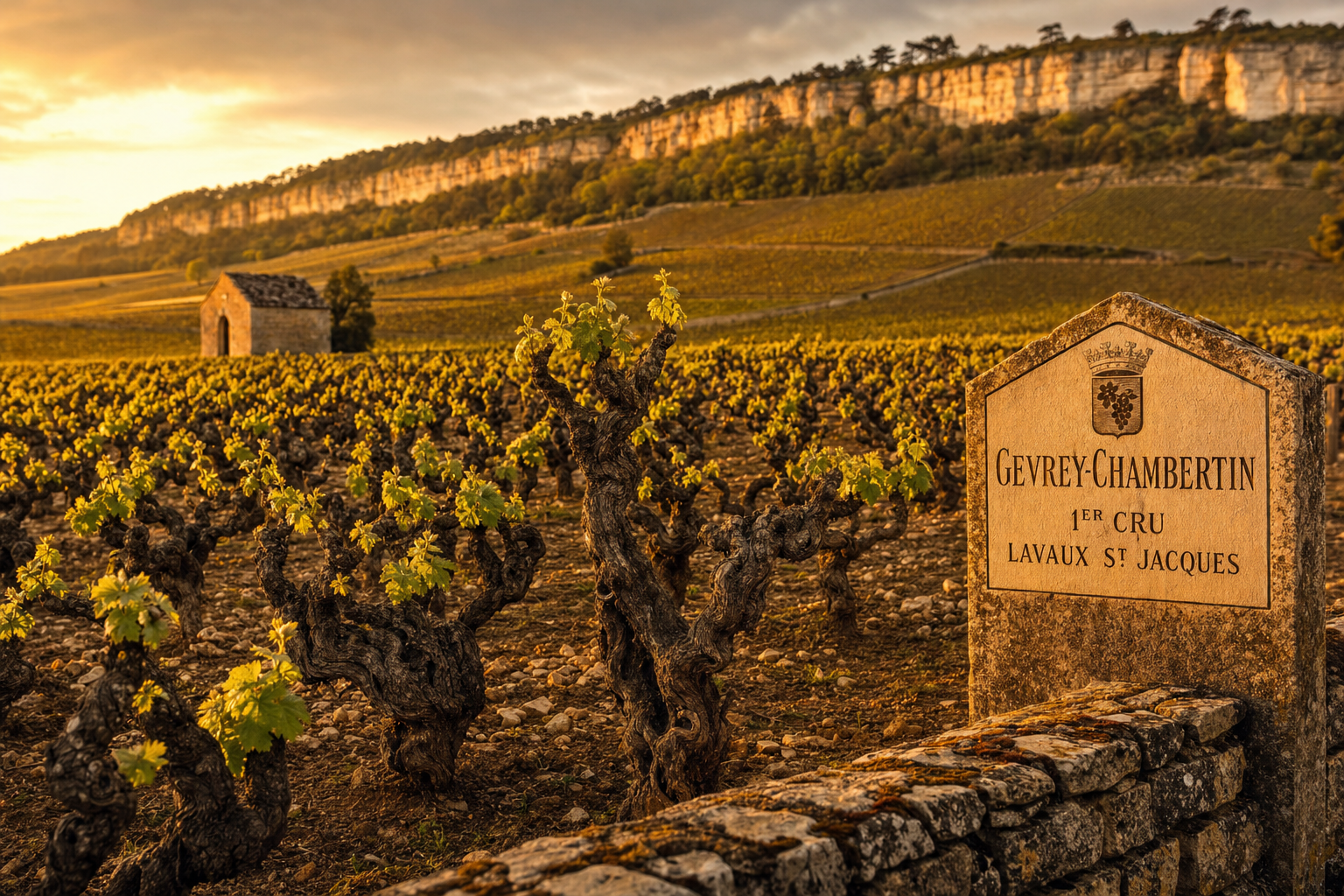
A firm, structural backbone. Bajocian limestone appears in some of the finest Premier Cru sites in Gevrey (Clos Saint-Jacques, Les Cazetiers) where near-perfect drainage on steep slopes creates wines with remarkable mineral tension — often described as crushed stone. In Clos de Vougeot's upper section, it produces the most refined wines of this sprawling Grand Cru.

Wines it creates: Crushed stone minerality, dark fruit, exceptional structure.

Ferruginous Clays

Gevrey-Chambertin · Nuits-Saint-Georges

The "red" vineyards — visible by their distinctive rust-colored soil — contain oxidized iron (ferric oxide) within clay. This iron content is directly linked to the sensory profile that defines aged Gevrey and Nuits: gamey, truffle, and meaty nuances that emerge with bottle age. In Nuits-Saint-Georges, deep iron-rich clay in sites like Les Vaucrains produces wines of exceptional power and longevity.

Wines it creates: Truffle, game, meat, earth. The quintessential "masculine" Burgundy.

Bathonian Limestone

Flagey-Échézeaux · Grands-Échézeaux

A mid-Jurassic limestone with excellent hydrological properties. The gentle slope of Grands-Échézeaux ensures consistent mineral expression and natural drainage without erosion stress on the vines. The result is a wine of exceptional silkiness, layered complexity, and exotic spice — rivaling the Vosne Grand Crus at a fraction of the price.

Wines it creates: Exotic spice, silk, mineral tension. One of Burgundy's best-kept secrets.

Soil Depth & Structure by Village

Marsannay
Light & Fresh
Fixin
Structured
Gevrey-Chambertin
Maximum Power
Morey-Saint-Denis
Balanced
Chambolle-Musigny
Most Elegant
Vougeot
Variable
Vosne-Romanée
Greatest Complexity
Nuits-Saint-Georges
Powerful & Mineral

Village Comparisons

How They Taste

Despite sharing a single grape variety — Pinot Noir — and a stretch of slope barely 20 kilometers long, the wines of the Côte de Nuits express dramatically different characters. Understanding these differences is the key to navigating one of the world's most complex wine regions.

Marsannay & Fixin

$$

ColourBright ruby, lighter rim
NoseFresh raspberry, strawberry, floral lift
PalateLight to medium body, juicy acidity, approachable tannins
FinishClean, mineral, brief to medium
Age5–10 years

"You can smell a great Marsannay before you see it — fresh red fruit that cuts through any room."

Gevrey-Chambertin

$$$$

ColourDeep ruby, almost opaque in great vintages
NoseDark cherry, iron, charred wood, earth, truffle with age
PalateFull body, powerful tannins, driving acidity, exceptional concentration
FinishMineral iron, dark fruit, extraordinary length
Age10–30+ years at Grand Cru level

"The most immediately identifiable wine on the Côte — unmistakably powerful, iron-laced, built like a cathedral."

Morey-Saint-Denis

$$$

ColourMedium-deep ruby
NoseDark berry, spice, savory herb, sous-bois
PalateMedium-full body, firm but giving tannins, savory complexity
FinishLong, savory, mineral
Age8–20 years at Premier/Grand Cru level

"Morey sits between giants and quietly out-punches both. The Clos de la Roche is as compelling as any Chambertin at half the price."

Chambolle-Musigny

$$$$

ColourTranslucent ruby, brilliant clarity
NoseViolet, rose, red cherry, raspberry, white pepper
PalateLight-medium body, silky tannins, soaring acidity, ethereal texture
FinishIncredibly long, gossamer, mineral
Age10–25+ years at Grand Cru level

"Chambolle does something that shouldn't be possible: wine that is simultaneously weightless and profound. Musigny is the ghost at the top of the staircase."

Vosne-Romanée

$$$$$

ColourDeep, luminous ruby with garnet depth
NoseDried rose, spice, sous-bois, exotic fruit, incense
PalateMedium-full body, silken tannins, unmatched mineral complexity
FinishInfinite. DRC is measured in minutes.
Age15–50+ years at Grand Cru level

"Vosne is where Burgundy stops being wine and becomes something else entirely — part philosophy, part architecture, part dream."

Nuits-Saint-Georges

$$$

ColourDeep ruby, dense
NoseBlack cherry, earth, dried herb, iron, leather
PalateFull body, high tannin, firm structure, excellent mineral depth
FinishLong, earthy, iron-edged
Age8–20 years at Premier Cru level

"The great Nuits Premier Crus — Saint-Georges, Vaucrains, Cailles — are as rewarding as many Grand Crus. This is where the serious drinker finds great value."

"The great differentiator is not village — it is slope position, soil depth, and who holds the keys to the cellar."

— A guiding principle of Burgundy

The Legendary Estates

Top-Level Wineries

These are the domaines that define what Côte de Nuits Pinot Noir can be — estates whose wines appear in auction rooms, on restaurant lists at three-figure prices, and in the cellars of serious collectors worldwide.

Vosne-Romanée

Domaine de la Romanée-Conti

DRC

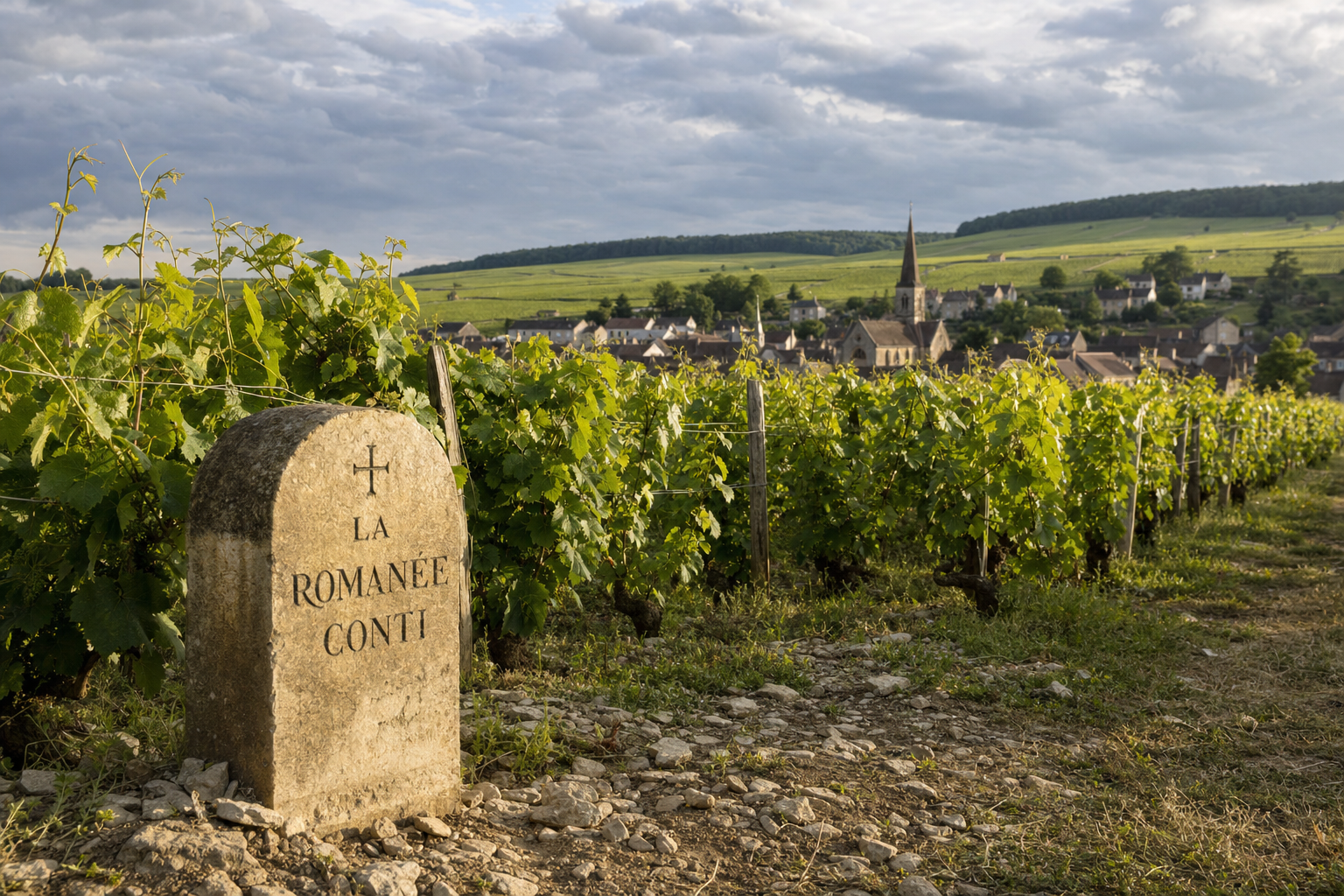
The most famous wine estate on Earth. DRC controls six Grand Cru monopoles or co-monopoles: Romanée-Conti, La Tâche, Richebourg, Romanée-Saint-Vivant, Grands-Échézeaux, and Échézeaux. With production often under 6,000 bottles per wine, bottles are allocated through a waiting list system. Prices for Romanée-Conti regularly exceed $20,000 per bottle at auction.

6 Grand Crus Biodynamic Allocation Only
Must Know: La Tâche, Richebourg, Romanée-Saint-Vivant
Vosne-Romanée

Domaine Leroy

Lalou Bize-Leroy — the "Queen of Burgundy" — produces wines from vanishingly low yields (often under 20 hl/ha) using strict biodynamic principles. Her Chambertin, Musigny, Richebourg, and Romanée-Saint-Vivant are emotional experiences that challenge DRC for primacy. Second only to DRC in the opinion of many critics.

Biodynamic Ultra-Low Yields Allocation Only
Must Know: Chambertin, Musigny, Richebourg
Gevrey-Chambertin

Domaine Armand Rousseau

Under Eric Rousseau, this is the undisputed benchmark for Gevrey. The Clos Saint-Jacques Premier Cru — widely argued by experts to deserve Grand Cru status — is among the most sought-after wines in Burgundy. The estate's Chambertin and Chambertin-Clos de Bèze are the definitive expressions of these Grand Crus.

Gevrey Benchmark Historic Estate
Must Know: Clos Saint-Jacques, Chambertin-Clos de Bèze, Chambertin
Chambolle-Musigny

Domaine Georges Roumier

Christophe Roumier is widely regarded as a genius of consistency and precision. His wines possess a profound identity that shines even in difficult vintages. The Musigny and Bonnes Mares are legendary — but even the Village Chambolle-Musigny offers an education in what this village can achieve. Perhaps the most reliably brilliant estate on the Côte.

Chambolle Benchmark Consistent Excellence
Must Know: Musigny, Bonnes Mares, Chambolle Village
Chambolle-Musigny

Domaine Comte de Vogüé

The historic powerhouse and largest owner in Musigny Grand Cru (7.2 of 10.9 hectares). Their Musigny Vieilles Vignes is one of the world's rare wine treasures — combining extraordinary power, elegance, and longevity. The estate also produces a remarkable white Musigny from old Chardonnay vines, one of Burgundy's rarest wines.

Largest Musigny Owner Historic Estate
Must Know: Musigny Vieilles Vignes, Bonnes Mares, White Musigny
Vosne-Romanée

Domaine Méo-Camuzet

Jean-Nicolas Méo creates rich, polished wines that define the modern gold standard of the Côte de Nuits. The estate's Premier Cru Cros Parantoux — made famous by Henri Jayer and now the benchmark for what Premier Cru can be — is one of Burgundy's most coveted cuvées, often exceeding Grand Cru prices at auction.

Modern Gold Standard Henri Jayer Legacy
Must Know: Cros Parantoux, Richebourg, Vosne-Romanée Village
Morey-Saint-Denis

Domaine Dujac

Founded in 1968 by Jacques Seysses, now led by his son Jeremy with extraordinary continuity of vision. Dujac's signature whole-cluster fermentation creates a distinctive, perfumed, almost translucent style. Their Clos de la Roche, Clos Saint-Denis, and Bonnes Mares are among the most intellectually compelling wines of the Côte.

Whole Cluster Morey Benchmark
Must Know: Clos de la Roche, Clos Saint-Denis, Bonnes Mares
Nuits-Saint-Georges

Domaine Robert Chevillon

The yardstick for Nuits-Saint-Georges. If you want to understand this appellation's terroir, you begin with Chevillon's range of Premier Crus — Les Saint-Georges, Les Vaucrains, and Les Cailles each reveal a distinct facet of the village. Consistently brilliant, rarely discussed at the same level as Vosne estates despite matching quality.

Nuits Benchmark Village Specialist
Must Know: Les Saint-Georges, Les Vaucrains, Les Cailles
Under the Radar

The Hidden Gems

Beyond the legendary names — whose wines are nearly impossible to find at retail — lies a generation of talented, often young producers working with exceptional terroir at prices that still make sense. These are the producers worth tracking now, before the world catches up.

Rising Star
Marsannay

Domaine Huguenot

Under Philippe Huguenot, this estate has transformed from austere and overlooked to vibrant and precise. The Marsannay wines show a level of terroir expression that rivals villages further south at a fraction of the cost. A domaine on an upward trajectory that serious Burgundy hunters should be buying now.

Why Now: Still accessible pricing, consistent quality improvement, exceptional value for the appellation.
Excellent Value Under $$
Hidden Gem
Gevrey-Chambertin

Domaine Quivy

Gérard and Christine Quivy operate from a charming 18th-century hôtel particulier in the heart of the village. With two Grand Cru vineyards — Charmes-Chambertin and Mazis-Chambertin — this is one of Burgundy's genuinely best-kept secrets. Production is tiny, distribution minimal, and quality exceptional.

Why Now: Two Grand Cru plots, minimal market awareness, quality on par with estate estates charging double.
Grand Cru Access Tiny Production
To Watch
Morey-Saint-Denis

Stéphane Magnien

A 4.5-hectare estate producing organically grown Morey-Saint-Denis at a level that embarrasses much larger and better-known names. The Premier Cru "Aux Petites Noix" is a suave, silky expression of what this village can do when the producer has mastered restraint. Watch this one carefully.

Why Now: Organic viticulture, exceptional Premier Cru parcel, still below radar of international buyers.
Organic Morey Specialist
Rising Star
Chambolle-Musigny

Domaine Amiot-Servelle

Now with daughter Prune Amiot at the helm, this certified organic estate is producing wines of remarkable purity and finesse. Their Les Amoureuses Premier Cru is widely argued to be of Grand Cru quality — and priced accordingly, though still below comparably great wines from the appellation. The Village Chambolle offers extraordinary value.

Why Now: New generation energy, certified organic, Les Amoureuses at Grand Cru quality without Grand Cru classification.
Certified Organic Les Amoureuses
Best Value
Nuits-Saint-Georges

Domaine David Duband

A modern star of the Côte de Nuits whose wines span from high-altitude Hautes Côtes de Nuits to Grand Crus in Chambertin and Échézeaux. Consistently brilliant and offering some of the best price-to-quality ratios in the region. Less talked about than Chevillon or Gouges, but matches them at every level.

Why Now: Wide range across the Côte, exceptional value, gains recognition slowly while quality is already there.
Best Value Wide Range
Hidden Gem
Marsannay / Gevrey

Domaine Galeyrand

One of the most exciting and least-known estates currently operating in the northern Côte de Nuits. The Côte de Nuits-Villages Le Retraits is a standout — showing a level of precision and terroir expression that makes it a serious alternative to village-level Gevrey at half the price. The Marsannay Clos du Roy evokes thoughts of the Bizot wines.

Why Now: Minimal critical coverage, extraordinary terroir expression, pricing still reflects obscurity not quality.
Truly Under Radar Exceptional Value

The Value Hunter's Framework

Look North

Marsannay and Fixin remain the Côte de Nuits' most undervalued appellations. The geological story is real; only the fame is missing.

Buy Morey

Five Grand Crus, positioned between two of the most famous villages on Earth, yet consistently priced below both. The entry point into Burgundy Grand Cru territory.

Trust Nuits Premier Crus

The greatest concentration of Premier Cru vineyards in the Côte de Nuits — many matching Grand Cru quality from neighboring villages.

Seek New Generations

The 2010s and 2020s have produced a wave of talented young winemakers taking over historic family estates — and not yet commanding the prices they deserve.

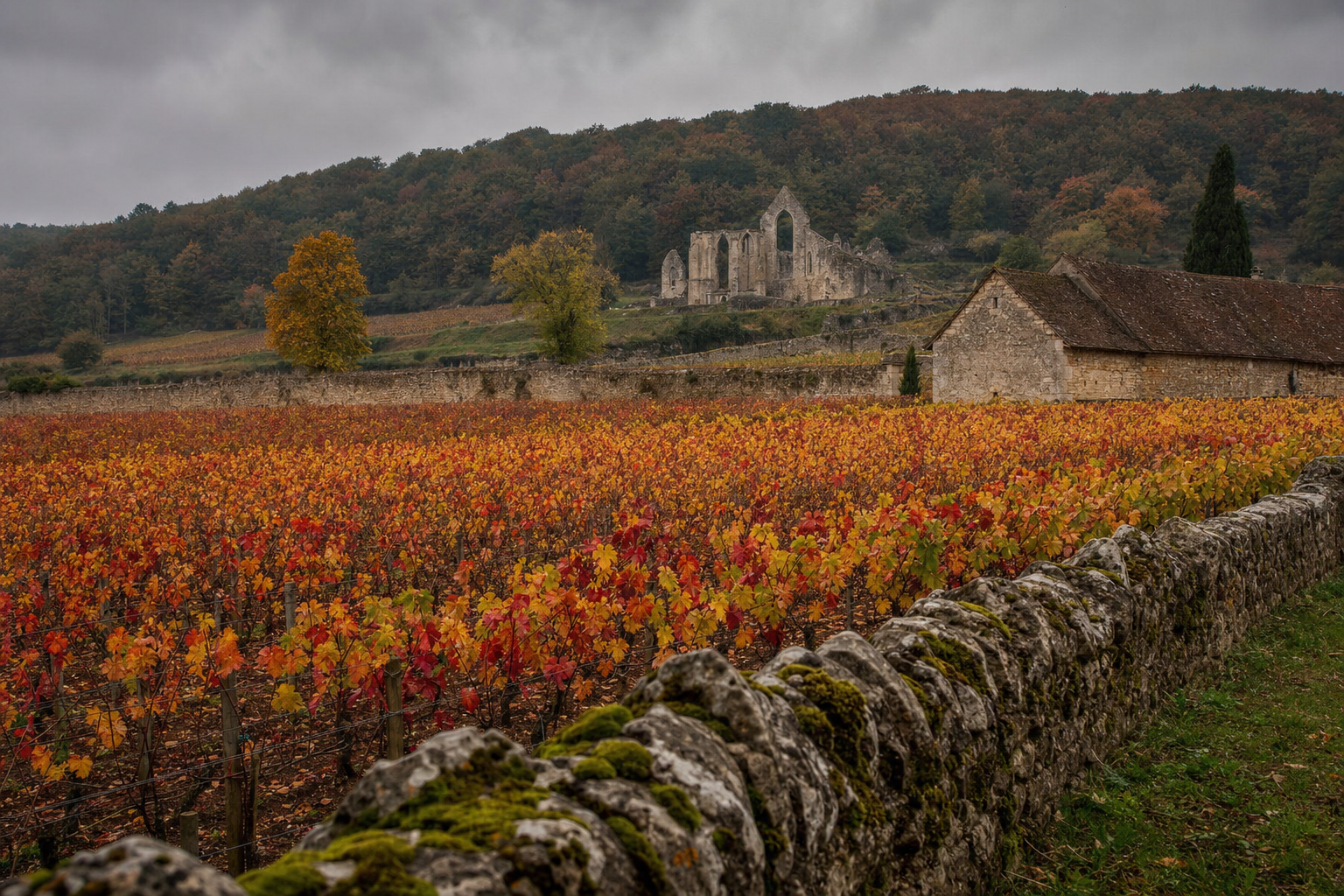
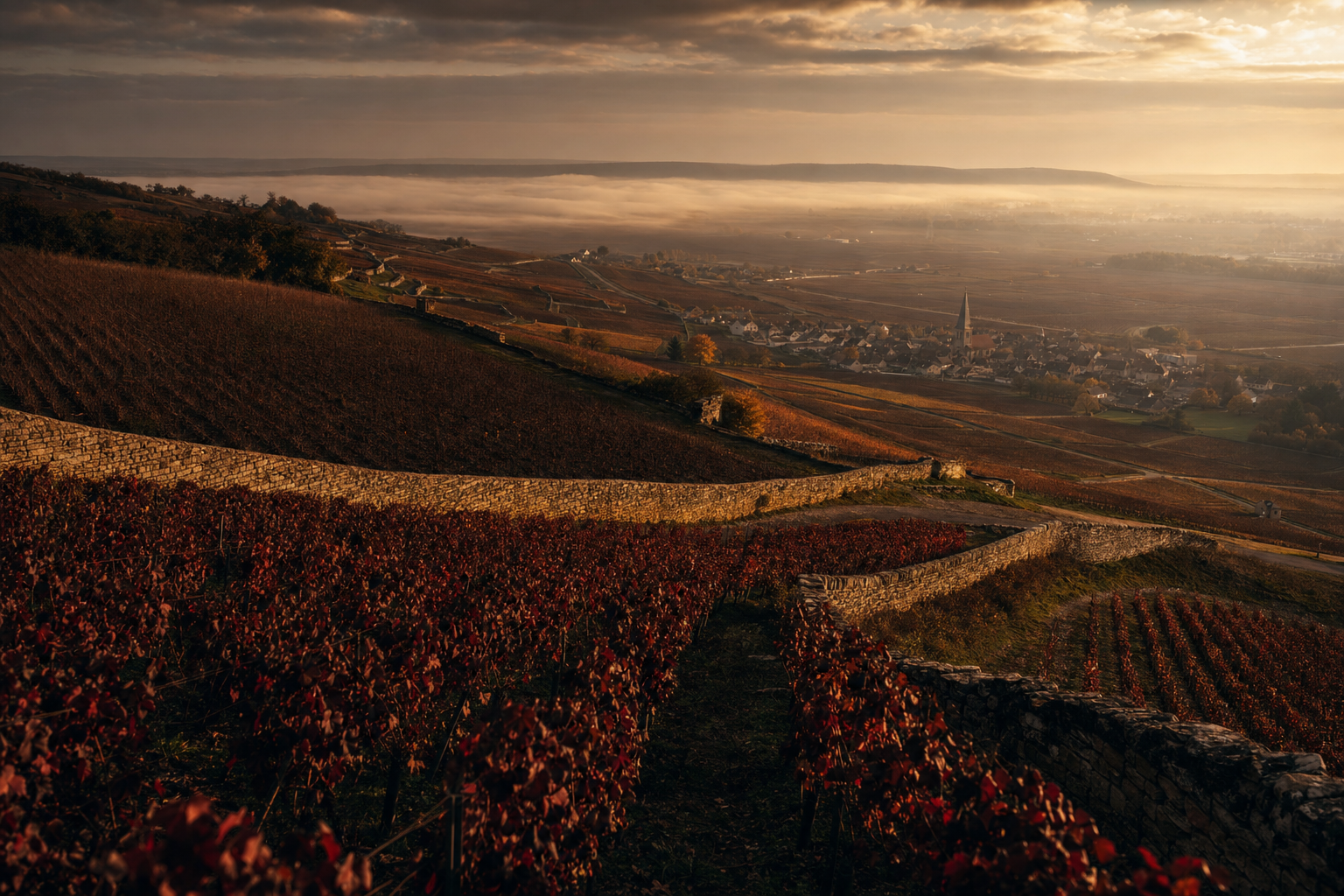
Autumn in the Côte de Nuits vineyards

"There are no wines in the world that cause more argument, more reverence, more frustration, and more joy than those of the Côte de Nuits."

— The Essential Truth of Burgundy